 (new window)
 (new window)
 (new window)
 (new window)
 (new window)
 (new window)
 (new window)
 (new window)
 (new window)
 (new window)
 (new window)
 (new window)
 (new window)
 (new window)
Seongjusa Temple Site, Boryeong
Korean name보령 성주사지
Machine-translated from Korean. Show original
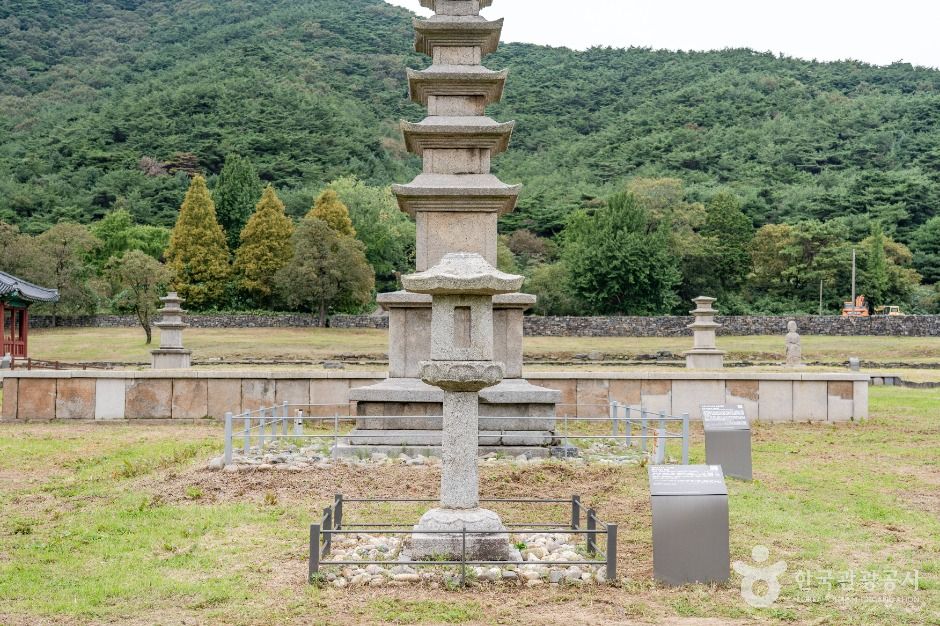
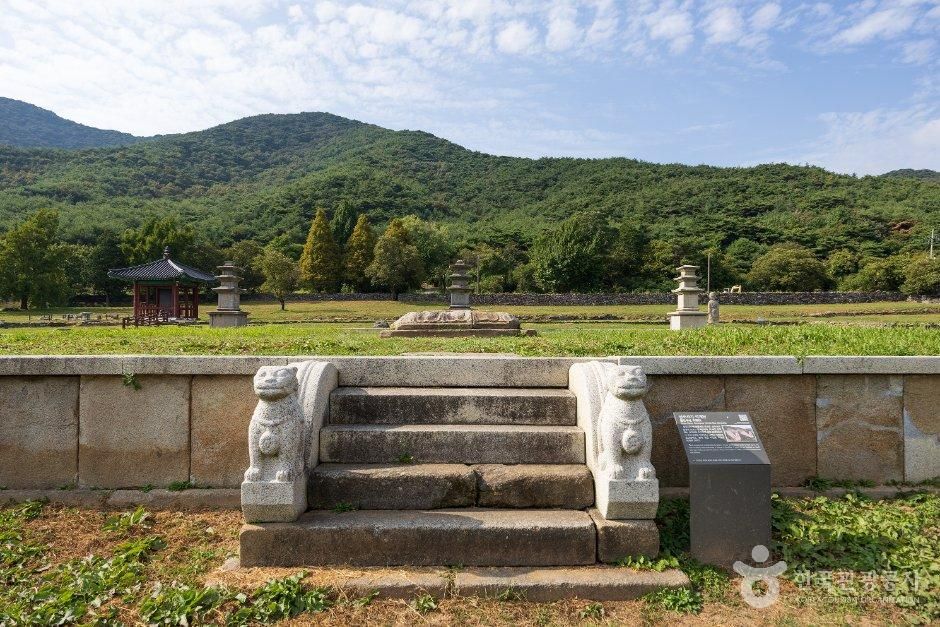
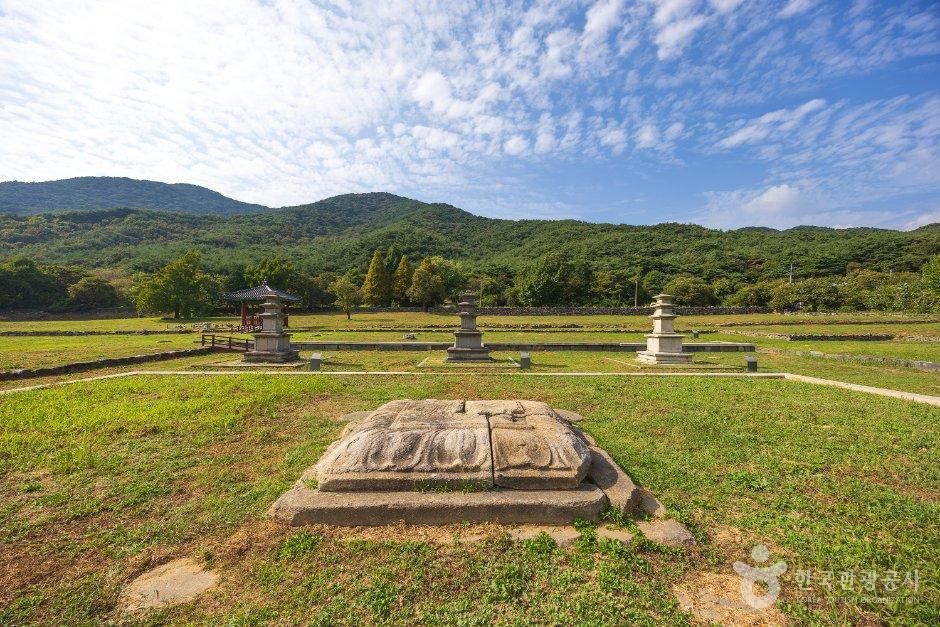
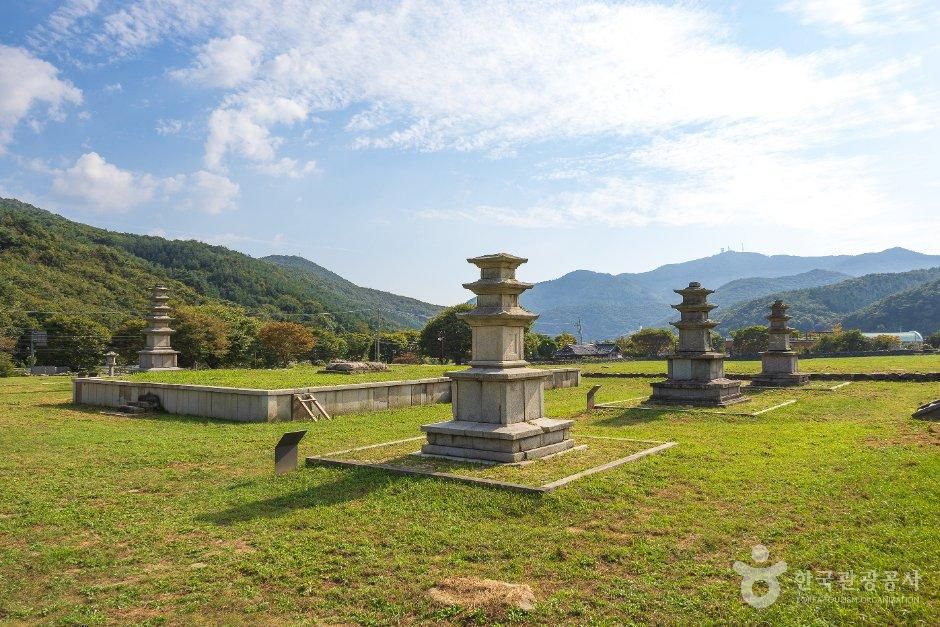
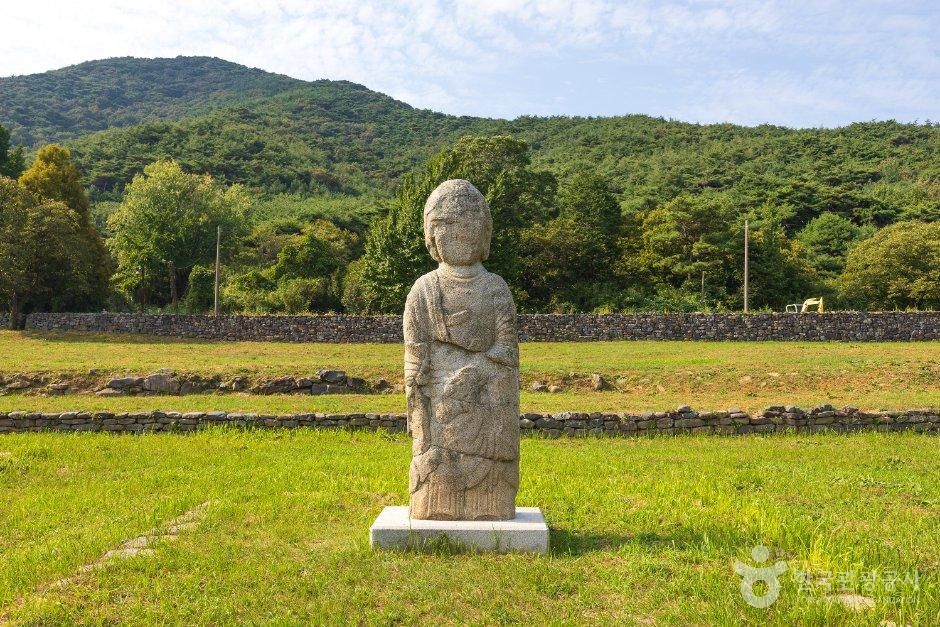
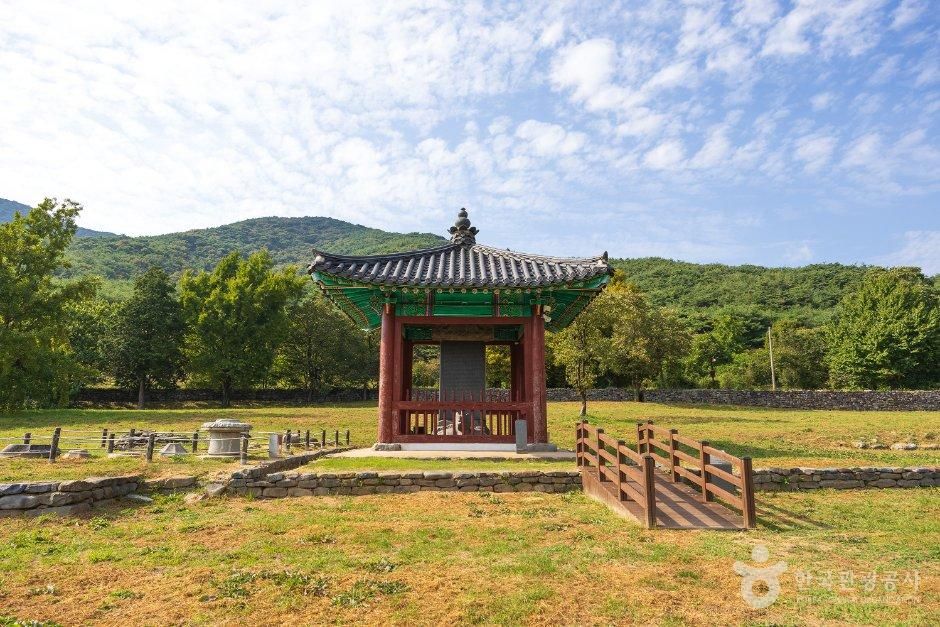
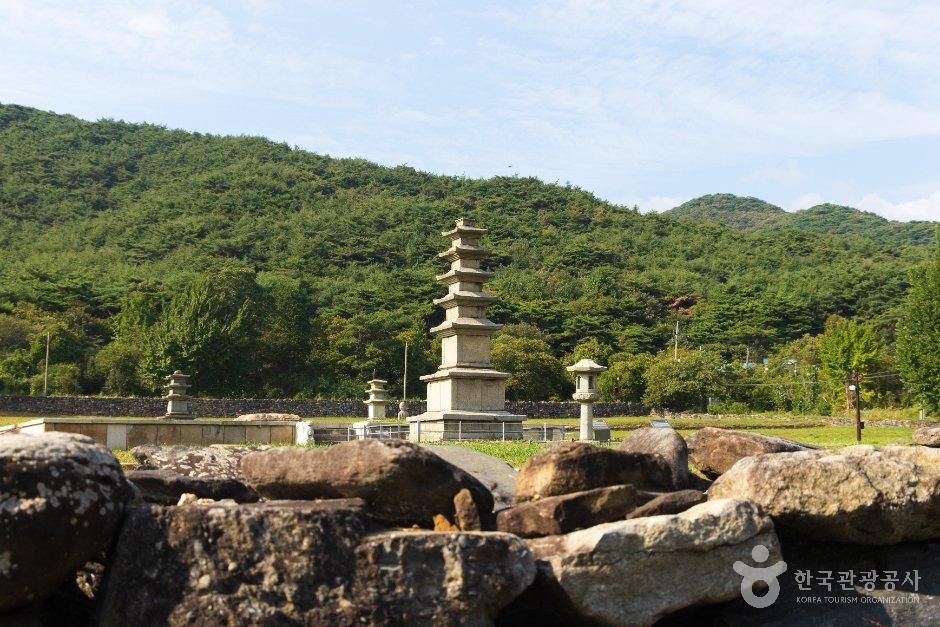
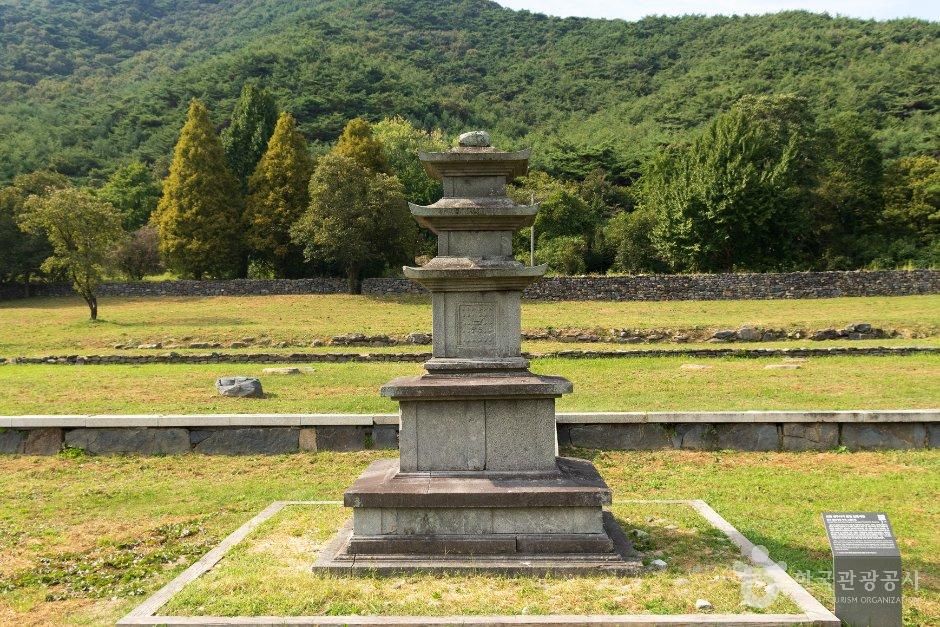
Boryeong Seongjusa Temple Site is a temple site located in the southern valley of Seongjusan Mountain (676.7m) in the eastern part of Boryeong City. Seongjusa Temple was one of the Nine Mountain Schools of Seon Buddhism at the end of Unified Silla and was a highly renowned and prosperous temple. Seongjusa Temple was founded around the 6th century under the name Ohapsa by King Beop of Baekje, and it is said to have been renamed Seongjusa at the end of Unified Silla. At its peak, Seongjusa was a large temple with about 1,000 rooms and around 2,000 monks. Due to this influence, artifacts from the Baekje period to the early Joseon period are being excavated at the temple site. At Seongjusa Temple Site, designated as a Historic Site, there are currently the National Treasure Stele of National Preceptor Nanghye Baegwol Bogwang, the Treasure Five-story Stone Pagoda, the Treasure Central Three-story Stone Pagoda, the Treasure West Three-story Stone Pagoda, the Chungcheongnam-do Tangible Cultural Heritage Stone Lantern, and the Chungcheongnam-do Cultural Heritage Material Stone Stairs and Standing Stone Buddha.
Excavations have revealed building sites such as the Geumdangji, the Samcheonbuljeonji, the Hoerangji, and the Jungmunji. To the northwest of the temple site is an elaborately built hall, inside which is a stupa stele; the inscription was composed by the great Silla writer Goun Choe Chiwon and written by his nephew Choe Inyeon. Today, the exhibits can be viewed at the Seongjusa Temple Site Millennium History Hall built right next to it.
The Seongjusa Temple Site in Boryeong can be reached from National Route 40 via Simwongyegok-ro, and is close to the Daecheon IC and Muchangpo IC of the Seohaean Expressway and the Seobuyeo IC of the Seocheon-Gongju Expressway. Nearby, in addition to Seongjusan Mountain, are the Boryeong Mugunghwa Arboretum, the Boryeong Coal Museum, the Boryeong Youth Training Center, Simyeondong Valley (Seongju Valley), and the Seongju-myeon seat.
Details
- Restroom
- Yes
Visitor reviews 0
Videos of this place
Boryeong travel resources
All guides →- MapTourist Map of Boryeong, Chungcheongnam-do
- MapMultilingual Tourist Guide Map of Boryeong-si, Chungcheongnam-do
- GuidesMultilingual Tourist Guidebook for Boryeong, Chungcheongnam-do
- MapDaecheon Port Theme Tourist Map, Boryeong-si, Chungcheongnam-do