 (new window)
 (new window)
 (new window)
 (new window)
 (new window)
 (new window)
 (new window)
Sinchang-dong Prehistoric Site
Korean name신창동 선사유적지
Machine-translated from Korean. Show original
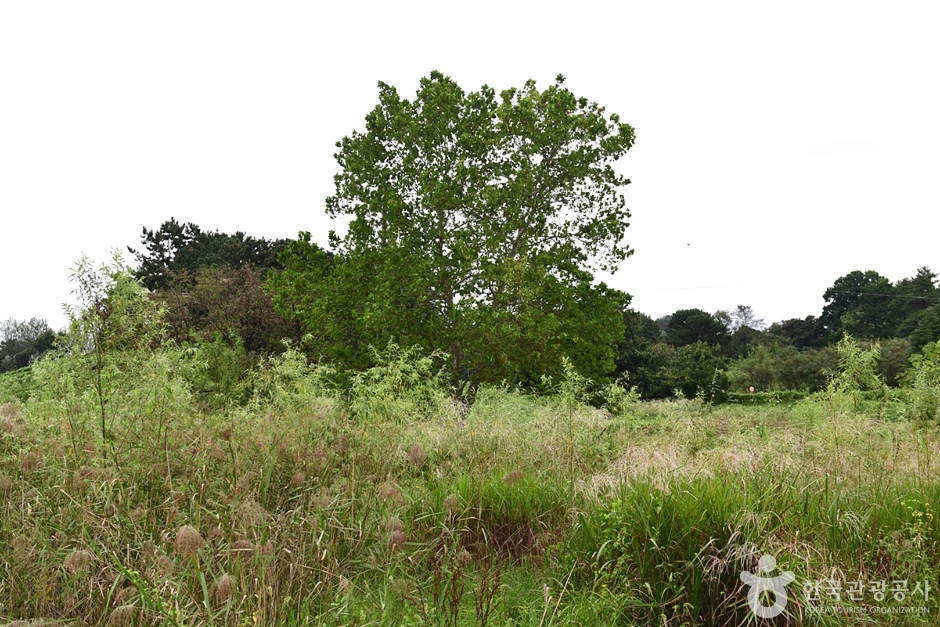
The Sinchang-dong Prehistoric Site is a vast site dating from the late Early Iron Age to the Proto–Three Kingdoms period, formed from the 1st century BC to the 4th century AD, and is a complex site that reveals for the first time in Korea the reality of production, daily life, and burials. In a wide area of 40,000 ㎡, residential sites and various features related to production are distributed, and in 1992, when the Gwangju National Museum conducted excavation surveys, it was confirmed as Korea's first wetland site, and with this as an opportunity, the importance of the site became known to academia and the general public, leading to its designation as a national historic site.
The Sinchang-dong Prehistoric Site is formed on four low hills extending south from the summit of Samgaksan at the western end of Geungnakgang, a tributary of the Yeongsangang River, and on the valley-bottom terraces between the hills and the riverside alluvial terraces. Dwelling sites, ring ditches, pottery kilns, wetlands, and workshop sites have been identified, confirming all of the village's living area, production area, ritual area, and defensive area of that time. About 20,000 artifacts excavated here are housed in the Gwangju National Museum.
Details
- Admission fee
- Free
Visitor reviews 0
Videos of this place
Gwangsan-gu travel resources
All guides →- Guides