 (new window)
 (new window)
 (new window)
 (new window)
 (new window)
 (new window)
 (new window)
 (new window)
 (new window)
 (new window)
 (new window)
 (new window)
 (new window)
Old Naju Station
Korean name구 나주역
Machine-translated from Korean. Show original
- Inquiries
- 061-334-5393
- Opening hours
- [summer season (March–October)]
- 09:00~18:00
- Last admission 17:30 [Winter season (November to February)]
- 09:00~17:00
- Last admission: 4:30 PM - Closed
- Open year-round
- Parking
- Available
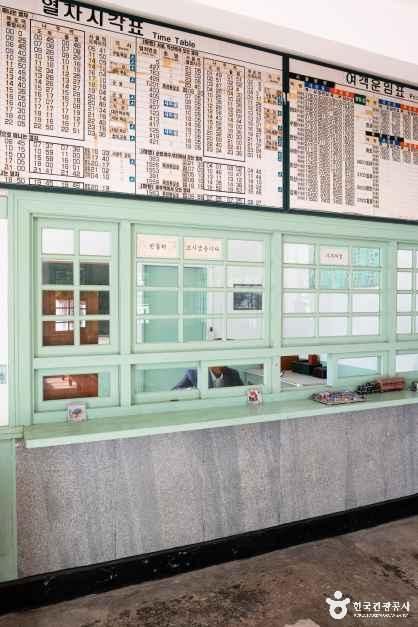
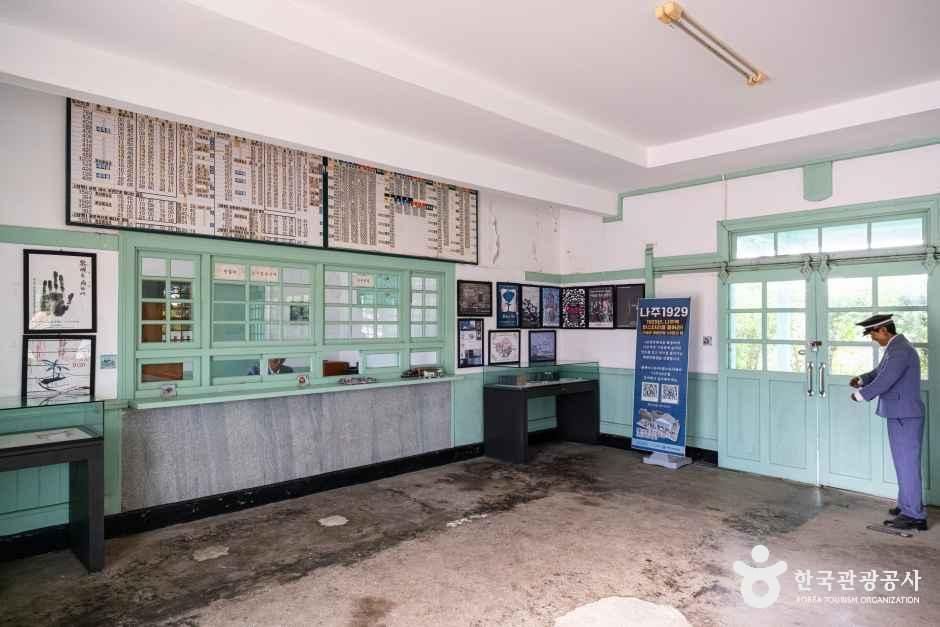
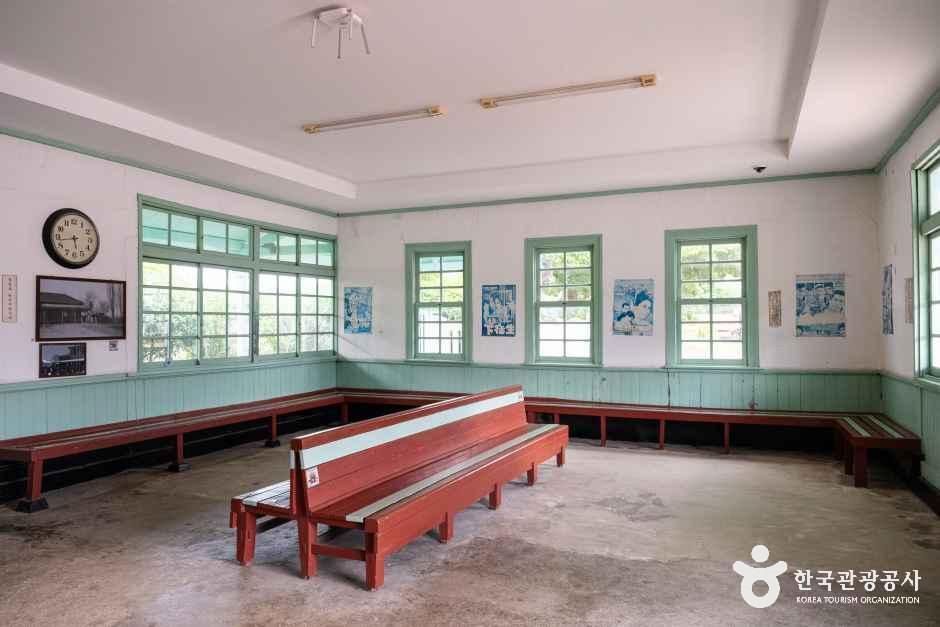
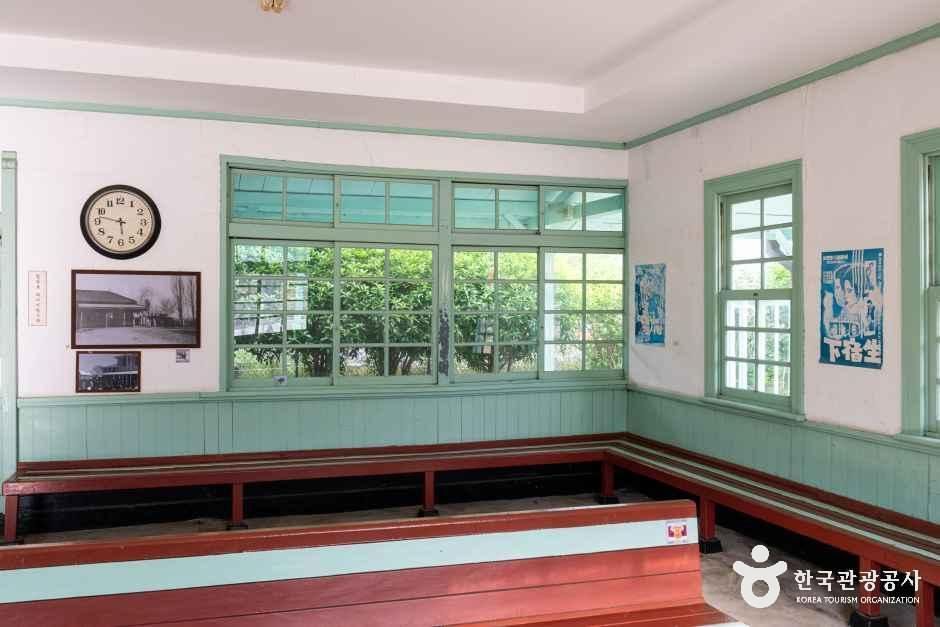
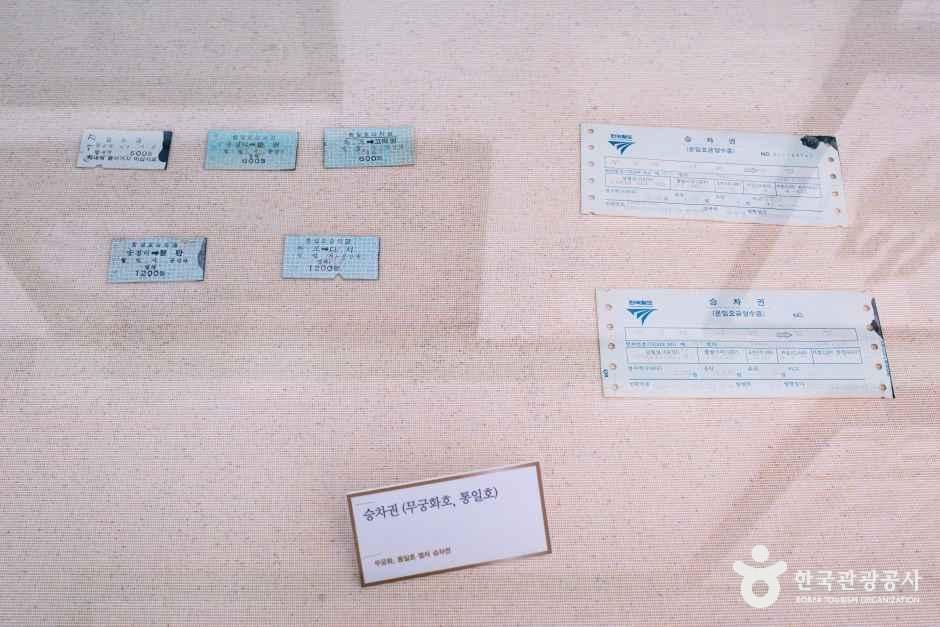
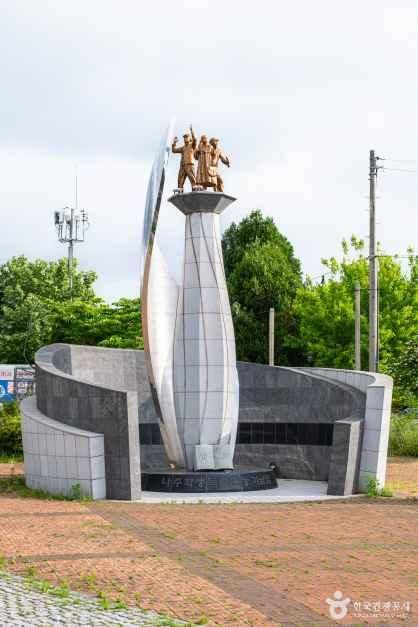
The Old Naju Station is the birthplace of the Gwangju Student Independence Movement, which demonstrated the anti-Japanese spirit of the people of Naju. Around 5:30 PM on October 30, 1929, when Japanese male students harassed Korean female students, Korean male students stopped them, and it quickly escalated into a fight between Korean and Japanese students. These are the circumstances of the Naju Station Incident that triggered the 1929 Gwangju Student Independence Movement. Taking this as an opportunity, on Meiji Day, one of Japan's four major holidays, students of Gwangju High Common School collectively refused to participate in the shrine visit that followed the Meiji Day ceremony and poured out into the streets in unison. The news of the students' resistance that arose in Gwangju spread by word of mouth across the country and expanded into a historic event in which about 54,000 people from 194 schools nationwide participated in protest movements. In this way, Naju Station was recognized for its historical significance as the birthplace of the Gwangju Student Independence Movement and was designated as Monument No. 183 of Jeonnam-Gwangju Integrated Special City on December 29, 2000. Currently, inside the Old Naju Station building, the ticket inspection scene from when Naju Station was in operation and the working scenes of station staff as they might have appeared during the Japanese colonial period are reproduced with wax figures, providing things to see. Right next to the station, the Gwangju Student Anti-Japanese Movement Memorial Hall has opened, where visitors can also view video materials related to the student independence movement of that time.
(Source: Naju City Culture and Tourism Website)
Details
- Admission fee
- Free
Visitor reviews 0
Videos of this place
Naju travel resources
All guides →- Guides